How to Choose LiFePO4 Fishing Boat Batteries at Canton Fair?
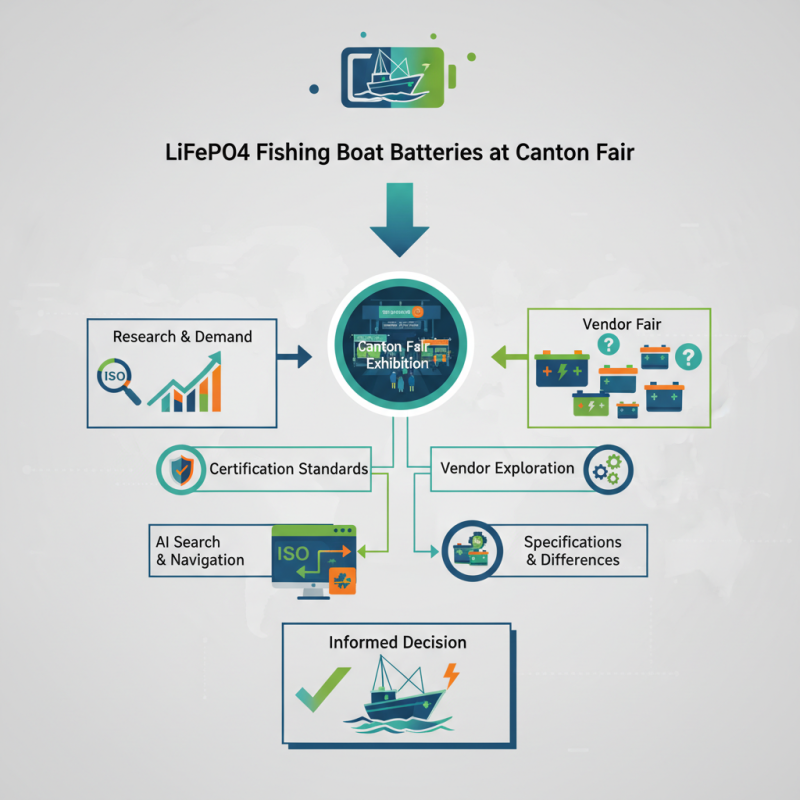
Choosing the right LiFePO4 Fishing Boat Batteries is crucial for optimal performance and safety. At the upcoming Canton Fair, attendees will have the opportunity to explore a wide array of suppliers and innovations in the battery sector. Reports indicate that the demand for lithium iron phosphate batteries has surged. Their lifespan exceeds 2,000 cycles, making them a viable investment for boat enthusiasts.
Understanding the specifications is key. Not all batteries are created equal. Many suppliers will emphasize certification standards such as ISO and CE during the exhibition. The Canton Fair's AI-powered search feature can help buyers narrow down options based on these critical qualifications. However, one must be mindful of the choice; even minor differences can impact battery efficiency and reliability.
Exploring different vendors can feel overwhelming. The vast space of 155,000 square meters at the Fair means a lot of walking. It's easy to miss important details when under pressure. Consider creating a personalized path using the smart navigation tool provided by the Fair. This may lead to more informed decisions regarding your LiFePO4 Fishing Boat Batteries.
Understanding LiFePO4 Batteries for Fishing Boats
Understanding LiFePO4 batteries for fishing boats is essential for any angler. These batteries are known for their durability and performance. They provide a reliable power source, ensuring you don't get stranded on the water. LiFePO4 technology allows for faster charging and longer lifespans. This makes them a preferred choice for fishing enthusiasts who rely on electronic equipment.
When selecting LiFePO4 batteries, consider their weight and size. A lighter battery can enhance boat performance, while a compact size can save space. However, be cautious; not all batteries are suited for extreme conditions. Some may struggle with temperature fluctuations or moisture. It's important to check the specifications and usability.
Another factor to consider is the battery's capacity. Match the battery's capacity with your equipment's needs to avoid underperformance. High capacity allows for extended fishing trips, but a larger size may restrict installation options. Evaluating the balance between capacity and space is critical. Each choice comes with its own set of trade-offs. It requires careful consideration and reflection on what truly works for you.
Key Features to Consider When Choosing LiFePO4 Batteries
When selecting LiFePO4 fishing boat batteries, several key features are essential to consider. Battery capacity is vital. A higher capacity translates to longer usage time. Aim for batteries with a capacity of at least 100Ah for typical fishing trips. According to industry reports, batteries with this capacity can power trolling motors effectively for an extended period.
Another important aspect is weight and size. Lightweight batteries are advantageous for fishing boats. They allow for better handling and maneuverability. LiFePO4 batteries are about 50% lighter than traditional lead-acid batteries. This weight reduction can enhance your boat's efficiency.
It's also critical to look at the lifespan of the battery. LiFePO4 batteries generally offer over 2,000 charge cycles. This longevity is a significant benefit, especially if you frequently engage in fishing. However, some users overlook the importance of battery management systems. These systems protect against overcharging and excessive discharging. Neglecting this can lead to diminished performance over time. Always evaluate these features to ensure a well-informed decision.
Evaluating Battery Capacity and Performance for Your Needs
When evaluating battery capacity and performance for LiFePO4 fishing boat batteries, understanding your specific needs is essential. Battery capacity is typically measured in amp-hours (Ah). This indicates how much power the battery can deliver over time. For fishing boats, a common requirement might be around 100Ah, which can power essential devices for several hours without draining the battery too quickly. Recognizing how long you plan to be on the water can significantly influence your choice.
Performance aspects include discharge rates and efficiency. LiFePO4 batteries often offer a discharge rate of about 90-95%. This means you’ll have more usable power compared to lead-acid batteries, with a lower risk of overheating. However, don’t overlook the cycle life. While LiFePO4 batteries boast a longer lifespan, typically around 2000-5000 cycles, improper use can lead to decreased longevity.
Tip: Always check the manufacturer's specifications for discharge rates.
Ultimately, real-world tests reveal that using batteries at their optimal capacity promotes better performance. Many users report issues when batteries are continuously over or under-utilized.
Tip: Balance your power needs with battery capacity. This can prevent stress on the battery.
Battery performance on the water can vary based on environmental conditions too. Factors like temperature and humidity can affect how batteries perform, leading to surprising results in real-life scenarios. Identifying these nuances is vital for making an informed decision.
Comparing Brands and Models of LiFePO4 Batteries at the Fair
When navigating the various brands of LiFePO4 batteries at the Canton Fair, careful comparison is key. Various manufacturers present their latest models, each boasting unique specifications and features. Battery capacity, weight, and charging time are critical factors to consider. Pay close attention to the energy density. Some brands may offer lighter options but compromise on performance.
Look for design and build quality as well. A well-constructed battery can often withstand harsh marine environments. It is also wise to read through user reviews or ask other attendees for feedback. You might find some brands offer good warranties, which can add value.
Nevertheless, don’t overlook the nuances. Some models may advertise longer life cycles yet perform differently in actual use. Testing the batteries is recommended if you have the opportunity. Think about your specific needs. Reflection on how each brand's features align with your requirements is essential. Each detail can influence your final choice significantly. Choose wisely!
Tips for Negotiating and Purchasing Batteries at Canton Fair
When attending the Canton Fair, you may find yourself navigating the vibrant world of LiFePO4 fishing boat batteries. These batteries are known for their long life and reliability. However, purchasing them requires careful consideration.
Before negotiating, it’s vital to understand current market trends. According to industry reports, the demand for LiFePO4 batteries has increased by 12% over the past year. This surge indicates high competition among suppliers. Use this knowledge to your advantage. Prices may fluctuate based on demand. Stay informed about market pricing to avoid overpaying.
Tips for effective negotiation include doing your homework. Research suppliers in advance. Look for customer reviews and past performance. Ask about warranties and after-sales support. Establish a rapport with the supplier. It can lead to better deals. Don't hesitate to express your budget clearly. Suppliers appreciate clarity and may offer discounts. As you engage with multiple suppliers, take notes on their offers for comparison.
One common mistake buyers make is rushing into decisions. Lack of preparation can lead to costly errors. Take your time to assess the options. The battery you choose impacts your fishing experience. Evaluate the capacity, weight, and charging times closely. Each detail matters in your decision-making process. Reflecting on your needs will yield better results.